
Greek Life for Dogs
Understanding the Social Dynamics of a Daycare Pack
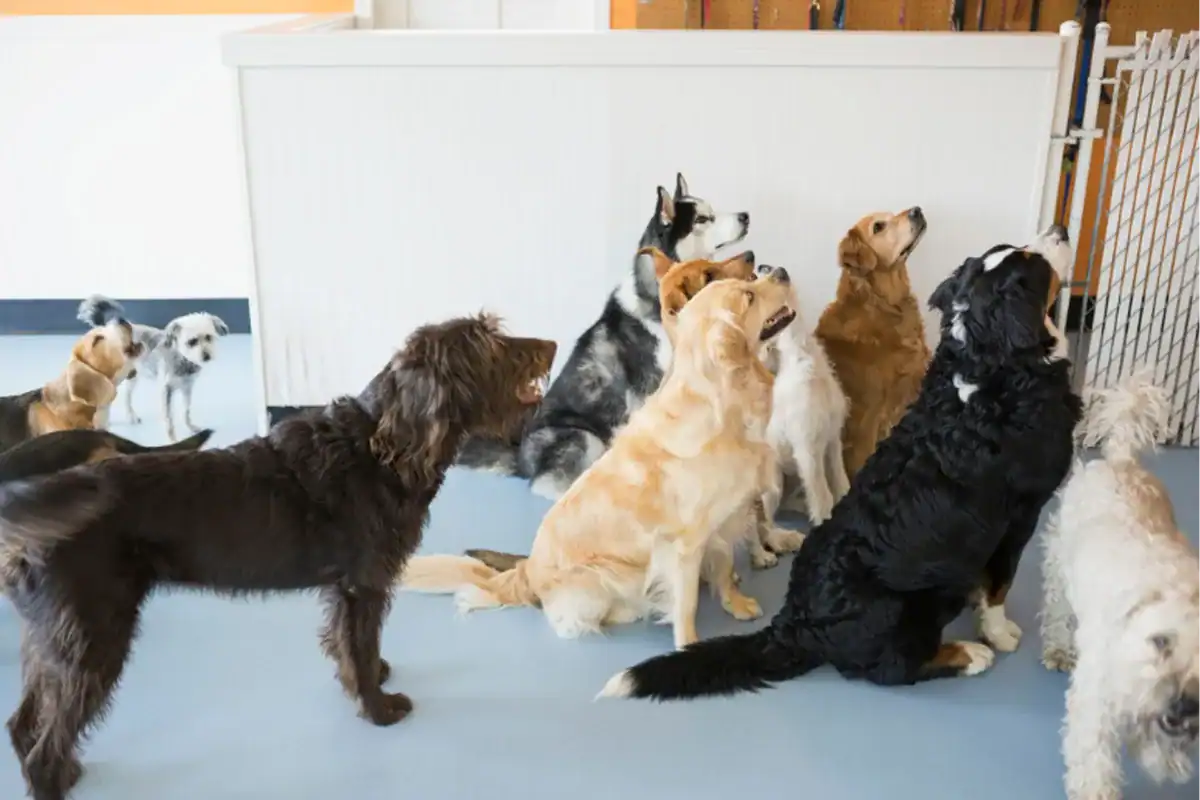
Every college campus has its characters, the social butterfly who knows everyone, the quiet wallflower studying in the corner, the class clown turning every moment into a punchline. Walk into a dog daycare, and you’ll find the exact same cast. At Ruffgers, our indoor dog daycare isn’t just a place where dogs wait out the day, it’s a living, breathing social ecosystem where canine personalities emerge, relationships form, and real learning happens.
Understanding how dogs interact in a pack setting helps you become a more informed pet parent. And knowing that trained professionals are guiding every interaction? That’s the difference between daycare and great daycare.
What is a dog daycare pack dynamic? A dog daycare pack dynamic refers to the natural social structure that forms when a group of dogs share space. Dogs, as pack animals, instinctively take on different social roles, leader, mediator, playmate, or observer, based on their temperament, energy level, and past experiences. A well-supervised pack environment supports healthy socialization and emotional development.
What Social Roles Do Dogs Play in a Daycare Group?
Just like a college campus sorted into personalities, a daycare pack naturally organizes itself. Here’s who you’ll find in the mix:
The Social Butterfly This dog greets every newcomer with a wagging tail and bouncing excitement. They’re the connector, the one who bridges different play groups and keeps the energy welcoming. Social butterflies thrive in daycare and often help shy dogs come out of their shells.
The Wallflower Not every dog is built for the spotlight. The wallflower prefers to observe before engaging, takes time to warm up, and often bonds deeply with one or two friends rather than the whole pack. With patience and the right environment, wallflowers blossom, sometimes over days, sometimes over weeks.
The Class Clown Bowing dramatically, zooming in circles, flopping over for no reason, the class clown is pure entertainment. They use play and silliness to invite interaction, and their antics often get the whole group moving. They’re a joy in the pack, as long as someone makes sure their humor doesn’t tip into overstimulation.
The Referee Every pack has that one dog who seems to take self-appointed responsibility for order. When play gets too rough, the referee steps in, a quick bark, a body block, a pointed look, and things settle down. These dogs are natural peacekeepers and incredibly valuable to a healthy group dynamic.
The Instigator The instigator isn’t necessarily a bully, they’re just a dog who pushes boundaries and tests reactions. They might steal a toy, initiate a chase, or keep pestering a dog that’s clearly said “enough.” Left unchecked, instigators can escalate tension. Watched closely and redirected properly, they often just need more structured engagement.
How Do Dogs Actually Communicate with Each Other?
Before you can appreciate what’s happening in a daycare pack, it helps to understand that dogs are constantly talking, just not in words.
Body Language and Posture A dog standing tall and stiff is broadcasting tension. A dog with a loose, wiggly body is relaxed and open to play. A dog making themselves small, tucked tail, lowered head, curved spine, is signaling submission or discomfort.
Facial Expressions Soft eyes and a relaxed mouth mean a dog is at ease. Hard, unblinking eyes signal focus or challenge. A “whale eye” (showing the whites of the eyes) is a stress signal that often goes unnoticed by untrained observers.
Play Signals The play bow, front end down, back end up, is the universal canine invitation to engage. It’s a clear signal: “What comes next is play, not aggression.” Experienced daycare staff recognize these signals instantly and use them to assess whether interactions are healthy.
Movement How a dog moves tells you everything. Bouncy, reciprocal movement between two dogs usually means a good match. One dog repeatedly pursuing another who keeps moving away is a sign that the interaction needs redirection.
How Does the Ruffgers Staff Act as "Professors" of the Pack?
At Ruffgers, our team doesn’t just supervise, they facilitate. Think of them as the professors who know every student’s strengths, struggles, and learning style.
Here’s what that looks like in practice:
Reading the Room, Constantly Staff members scan the group continuously, tracking body language across multiple dogs at once. They notice the subtle shift from loose play to stiff posturing before it becomes a confrontation.
Recognizing Individual Dogs Our team gets to know every dog’s personality, triggers, and preferred playmates. This is possible because of structured programs like our Ruffgers Academics, where training, enrichment, and behavioral awareness work together to support each dog’s development.
Redirecting Before Problems Escalate When an instigator is getting too persistent, or a class clown is over-arousing the group, our team steps in early, before tension becomes conflict. A calm redirect now prevents a stressful incident later.
Preventing Bullying Not all rough play is bullying, but experienced eyes can tell the difference. If one dog is repeatedly targeted, consistently unable to disengage, or showing stress signals, staff intervene and adjust group composition.
Supporting the Wallflower Some dogs need a quieter corner, a smaller group, or a staff member nearby to feel safe enough to engage. Our team creates those conditions intentionally, helping every dog find their footing at their own pace.
Ensuring Positive Endings The way a dog leaves daycare matters as much as how they arrived. Dogs that end their day overstimulated or stressed carry that experience forward. Our staff actively manages energy levels throughout the day to ensure dogs go home happy and ready to rest.
Why Professional Supervision Changes Everything
It’s the difference between a party with no adults and a campus with caring faculty who actually know their students.
Unsupervised dog groups can develop unhealthy hierarchies, allow bullying to go unaddressed, and leave anxious dogs with no relief. Professionally supervised daycare, the kind offered at Ruffgers Naples Dog Daycare, transforms group play into a genuine learning environment where dogs build social confidence, practice communication skills, and form positive associations with other dogs and people.
And for dogs who need a sleepover? Our Ruffgers Naples Dog Boarding carries the same philosophy into overnight care, consistent routines, familiar faces, and a pack environment managed by people who genuinely understand dogs.
FAQ: Dog Daycare Pack Dynamics
-
Is dog daycare suitable for shy or anxious dogs?
Yes, with the right supervision. Shy dogs often benefit from carefully managed social exposure in a professional setting. At Ruffgers, we introduce wallflowers gradually, match them with calmer playmates, and never force interaction. Many dogs who arrive nervous become confident regulars over time.
-
How do staff prevent dog fights in a daycare setting?
Prevention is the priority. Trained staff read body language continuously, redirect early, and adjust group compositions when needed. The goal is to intervene before tension escalates, not to simply react after the fact.
-
Can dominant or "instigator" dogs attend daycare?
Often yes, with appropriate management. These dogs usually benefit from structured enrichment and training alongside socialization. Our Ruffgers Academics program is specifically designed to support dogs who need more than just playtime.
-
How do I know if my dog is having a good experience at daycare?
Look for a dog that sleeps well after daycare (a sign of healthy stimulation), returns happily the next time, and doesn't show prolonged stress signs at home. Staff at Ruffgers are always available to discuss your dog's behavior and progress.
-
What makes Ruffgers different from other dog daycares?
Ruffgers combines professional supervision with structured enrichment and training, the Ruffgers Academics model. It's not just about keeping dogs busy; it's about helping them grow socially, emotionally, and behaviorally in a safe, expert-led environment.
The Bottom Line: Your Dog Deserves More Than Babysitting
A great daycare pack doesn’t happen by accident. It takes trained eyes, intentional structure, and a genuine understanding of how dogs think and communicate. At Ruffgers, every dog, the social butterfly, the wallflower, the class clown, and yes, even the instigator, gets the guidance they need to thrive.
Whether your dog is a pack MVP or still figuring out their place in the group, they belong somewhere that takes their social life as seriously as you do.
Explore Ruffgers Naples Dog Daycare or Dog Boarding and give your dog the campus experience they deserve.