
How to Deal with a Jealous Pet
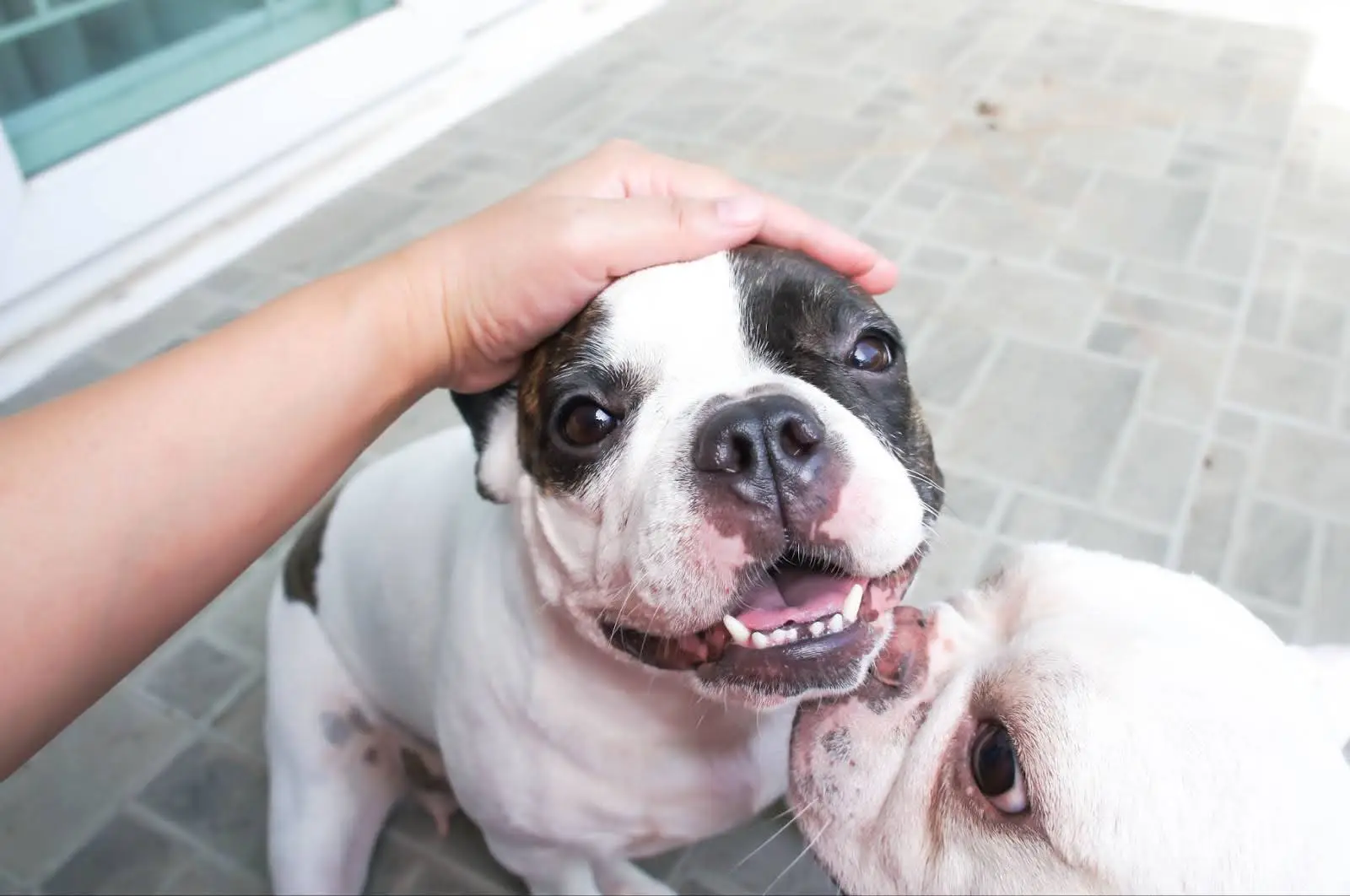
Hey there, pet lovers! Today, we’re diving into a topic that’s as quirky as it is crucial: pet jealousy.
Yes, you heard that right! Our furry friends can get green with envy just like we do. Who knew that Fido could throw shade because you’re showering the new kitten with a little too much attention?
Or that Whiskers could sulk in the corner because you praised the dog’s new trick and not her latest curtain-climbing adventure?
Understanding these feelings of envy and jealousy in our pets is more than just an exercise in pet psychology, it’s essential for keeping the peace in our homes.
Just like in any family, harmony among its members is key to a happy, stress-free environment.
And let’s face it, who wants a soap opera starring our pets complete with dramatic stares and cold shoulders?
Enter Ruffgers, your knight in shining armor or should we say, your expert in shiny leashes?
We’re more than just a premier indoor training and boarding facility; we’re your go-to source for navigating the ups and downs of pet parenthood.
From tackling jealousy head-on to fostering an environment where every pet feels like the top dog, we’re here to share our insights and solutions for making life with your pets as joyful and harmonious as a well-orchestrated symphony.
So, buckle up as we explore the fascinating world of pet jealousy and how to keep those tails wagging in happiness!
Recognizing Signs of Jealousy in Pets
Alright, let’s zoom in on our canine companions and uncover the signs of jealousy they might be showing.
Dogs, with their expressive eyes and wagging tails, have a special way of communicating their feelings, but deciphering the language of jealousy requires a keen eye.
The Green-Eyed Pooch
Aggression:
It’s not just a myth, dogs do get jealous, and they’re not shy about showing it.
Imagine this:
Max has been the king of the castle, your one and only fur baby. Suddenly, there’s a new pup in town, Rosie, and Max is not thrilled.
His usual playful barks turn into menacing growls whenever Rosie gets too close to you or his favorite toys. It’s Max’s way of putting up a “Keep Out” sign.
Clinginess:
Then there’s the Velcro dog scenario. Daisy, who usually enjoys her alone time, suddenly can’t bear to be away from you for even a second.
If you’re petting the new dog, Charlie, Daisy is right there, nudging your hand away from Charlie and onto her. It’s as if she’s saying, “Hey, remember who’s been here all along?”
Unexpected Behaviors:
Dogs can be full of surprises, especially when they’re feeling left out. Take Buster, a laid-back Golden Retriever who’s never chewed anything but his toys.
Enter Luna, a sprightly new addition to the family, and suddenly, Buster’s dining on your favorite slippers. It seems like Buster’s new motto is, “If I can’t get your attention, I’ll find it somewhere else.“
Understanding Our Furry Friends</strong
These behaviors are more than just mischief; they’re heartfelt expressions from our pets, telling us they need a little extra TLC. Recognizing these signs early can help us nip jealousy in the bud and ensure a peaceful, loving home for all our canine companions.
At Ruffgers, we understand the importance of maintaining harmony in the pack, and we’re here to offer the training and support needed to manage these feelings of jealousy.
Because when it comes down to it, a happy dog is a happy home.
Understanding the Causes of Pet Jealousy
Peeling back the layers to understand what brews beneath those jealous glances and sulky sits is crucial in managing pet jealousy effectively.
At the heart of these behaviors are often very understandable triggers. By identifying these, we pave the way for a more harmonious household, where every bark and tail wag stems from joy rather than jealousy.
The Roots of Rivalry
Changes in Routine:
Dogs thrive on routine. It’s their compass in a world that’s full of unpredictability.
So, when the daily dance they’ve come to know and love gets a new step, be it a different walk time due to a new job schedule or less playtime, they notice.
And just like that, the seeds of jealousy are sown. Sammy, who’s used to long, leisurely morning walks, might start showing signs of envy when those walks are cut short because there’s a new baby in the family needing attention.
Introduction of New Pets or Family Members:
Adding a new member to the pack, whether it’s a baby or another pet, is a significant adjustment for a dog.
They might feel like they’re losing their special spot in your heart or home. If Bella used to be the sole recipient of cuddles and suddenly she has to share you with Max, the new rescue pup, she might wonder, “What about me?“
This feeling of displacement can manifest as jealousy.
Lack of Attention:
Attention is a currency in the canine world. When there’s a deficit, dogs will let you know, sometimes in the most creative (or destructive) ways.
Imagine Charlie, once the center of your world, starts receiving less of your time because work has become unusually demanding.
Charlie might interpret this lack of attention as a loss of love, sparking feelings of jealousy towards anything (or anyone) that seems to be taking his place.
Navigating the Emotional Landscape
Understanding these triggers is more than half the battle. It equips us to address the root of the issue rather than just the symptoms. By maintaining a sense of normalcy in their routine, introducing new family members or pets with sensitivity, and ensuring we’re still giving them the attention they need and deserve, we can help mitigate these feelings of jealousy.
At Ruffgers, we believe in the power of prevention and the importance of early intervention. Through our expert training and boarding services, we offer support not just for your dog, but for you too, guiding you through these adjustments and helping maintain that special bond you share with your furry friend.
Remember, a happy dog is one that feels secure and loved, no matter what changes life brings.
Practical Tips to Manage and Reduce Jealousy
Managing jealousy in our canine companions doesn’t require magic, just a bit of understanding and patience.
By recognizing what triggers these feelings and implementing a few practical strategies, we can help our pets feel secure, loved, and happy. Here are some effective tips to reduce the green-eyed monster in your home:
Ensuring Equal Attention and Affection
Balance is key in any relationship, including those with our pets. It’s crucial to distribute your attention and affection evenly among all your dogs.
This doesn’t mean you need a stopwatch to ensure everyone gets the exact same petting time, but it does mean making a conscious effort to show each pet they’re valued.
For instance, if you welcome a new puppy into your home, make sure to continue your cuddle sessions with your older dog, so he doesn’t feel replaced or overlooked.
Maintaining a Routine
Dogs thrive on routine, it gives them a sense of security and predictability.
Keeping a consistent schedule for meals, walks, and playtime can help alleviate feelings of jealousy by reassuring your pet that they haven’t lost their place in the family dynamic.
Even with the arrival of a new pet, try to keep your original pet’s routine as stable as possible to minimize stress and anxiety.
Introducing New Pets or Family Members Gradually
The introduction of a new pet or family member should be a slow and controlled process. Allow your dog to adjust to the new arrival in a neutral space, with plenty of supervision and encouragement.
Initially, keep interactions short and positive, gradually increasing their duration as your pets become more comfortable with each other. This method helps build a foundation of trust and prevents jealousy from taking root.
Providing Separate Spaces and Resources for Each Pet
To avoid competition and jealousy, ensure each of your dogs has their own space and resources, this includes beds, bowls, toys, and even separate areas of the house if possible.
This not only helps in preventing resource guarding but also gives each pet a safe retreat to relax and feel secure. Encouraging individual playtime and training sessions can also reinforce their sense of self and reduce the urge to compete for your attention.
Implementing these strategies requires patience and consistency, but the effort will foster a peaceful, harmonious home. Remember, the goal is to make each of your pets feel equally loved and important in the family. At Ruffgers, we believe that understanding and addressing the root causes of jealousy can lead to happier pets and a more joyful home life for everyone involved.
Training Techniques to Overcome Jealousy
Overcoming jealousy in dogs is not just about managing their environment; it’s also about training them to understand and adapt to sharing their space and their humans with others. Professional training can play a pivotal role in mitigating jealousy behaviors, teaching dogs the skills they need to feel secure and behave positively in a variety of situations.
The Power of Professional Training
Professional dog training programs are designed to address a wide range of behavioral issues, including jealousy.
Through positive reinforcement techniques, trainers can help dogs associate good things with the presence of other pets or people.
This approach encourages dogs to view new additions to the family not as threats but as sources of positive outcomes.
Training sessions can also teach commands that are invaluable in managing jealousy, such as “stay,” “sit,” and “leave it.”
These commands can be used to create boundaries and structure, helping dogs understand their place in the family hierarchy and reducing feelings of insecurity that can lead to jealousy.
Ruffgers’ Training Services: A Cut Above
At Ruffgers, we specialize in dog training, offering a variety of programs tailored to address specific issues like jealousy.
Our experienced trainers use evidence-based methods to ensure that your dog not only learns effectively but also enjoys the training process.
Whether you’re looking for basic obedience training or more specialized courses to tackle jealousy and other behavioral challenges, Ruffgers is your go-to destination for “dog training” excellence.
The Role of Daycare and Boarding in Alleviating Jealousy
Dog daycare and boarding facilities offer more than just a place for your pet to stay while you’re away; they provide a vital opportunity for socialization, engagement, and the alleviation of jealousy among dogs.
By ensuring that pets are well-cared for, entertained, and not left alone for extended periods, these services play a crucial role in promoting a balanced and happy canine temperament.
Socialization and Its Benefits
Socialization is key in helping dogs learn how to interact positively with other dogs and people. We provide a safe and controlled environment where dogs can meet and play under the supervision of trained professionals. This exposure helps dogs become more adaptable and less likely to exhibit jealousy or aggression when faced with new or unfamiliar situations. Regular interaction with a variety of dogs builds confidence and fosters a sense of camaraderie among canine companions, reducing the likelihood of jealous behaviors at home.
Engagement to Prevent Jealousy
A bored dog is often a jealous dog. Lack of stimulation can lead to undesirable behaviors, as dogs seek attention in any way they can, sometimes at the expense of other pets in the household.
Dog boarding at a facility like Ruffgers ensures that your dog remains engaged through structured play, exercise sessions, and one-on-one attention from caring staff members.
This engagement is crucial for keeping your dog mentally and physically stimulated, reducing the propensity for jealousy by fulfilling their need for interaction and activity.
The Ruffgers Advantage
At Ruffgers, we understand the importance of providing a nurturing and enriching environment for your dog, whether it’s for a day of daycare or a longer boarding stay.
Our state-of-the-art facility in Naples offers a variety of activities designed to keep your dog happy, healthy, and socially engaged.
From agility courses to group play sessions, we tailor our activities to meet the needs of each dog, ensuring they return home tired, content, and less likely to feel threatened by the presence of other pets.
Creating a Harmonious Household
Creating a harmonious household where pets coexist happily is an art that requires patience, consistency, and a whole lot of love. It’s about building a foundation where every pet feels secure, valued, and understood.
Here are some key strategies to help you achieve that peaceful coexistence, with a little help from Ruffgers to ensure your furry friends are not just getting by but thriving together.
Patience is a Virtue
Remember, adjusting to a new family dynamic takes time for pets, just as it does for humans. Whether you’re introducing a new pet into your home or working to resolve existing tensions, patience is key.
Give your pets time to adjust to each other’s presence, and avoid forcing interactions. Observe their body language and interactions to gauge how they’re feeling and progressing.
Patience, coupled with a positive attitude, sets the tone for a calm and trusting environment where pets can gradually learn to understand and accept each other.
Consistency Makes Perfect
Consistency in rules and routines helps pets feel secure. It’s important to establish and maintain a consistent daily routine, including feeding times, walks, and quiet times, so pets know what to expect each day.
Consistent training and behavior expectations also prevent confusion and help manage jealousy by ensuring all pets know their boundaries and what is expected of them.
This consistency extends to how you manage rewards and discipline, be fair and equitable to foster a sense of stability and fairness among your pets.
Love and Attention for All
Every pet deserves to feel loved and special. Make sure to spend quality one-on-one time with each pet, giving them individual attention and affection.
This not only strengthens your bond with each pet but also helps mitigate feelings of jealousy by ensuring no pet feels left out or less important than the others.
Celebrate each pet’s unique personality and needs, creating a culture of inclusivity and love.
Engage and Stimulate
Keeping your pets mentally and physically stimulated is a cornerstone of a harmonious household. Boredom can lead to mischief and tension among pets, so it’s crucial to keep their minds and bodies engaged.
Scheduling regular playdates or training sessions at Ruffgers can offer your pets a change of scenery and a chance to interact with other dogs under professional supervision.
These activities are not only fun but also promote socialization skills and can help diffuse tension by providing a neutral ground for interaction.
At Ruffgers, we’re committed to helping you create a balanced and joyful environment for your pets. Our training programs are designed to address behavioral issues, enhance communication between you and your pets, and foster positive interactions.
Regular sessions at our facility can also provide valuable socialization and stimulation, contributing to the overall well-being and harmony of your household.
Creating a harmonious household is a journey, not a destination. It’s about nurturing a space where patience, consistency, and love are the guiding principles, and where every pet has the opportunity to feel secure and happy.
With these strategies and the support of Ruffgers, you’re well on your way to building a loving, peaceful home for all your furry family members.