
Nutrition and dietary advice for dogs tailored to different breeds and ages
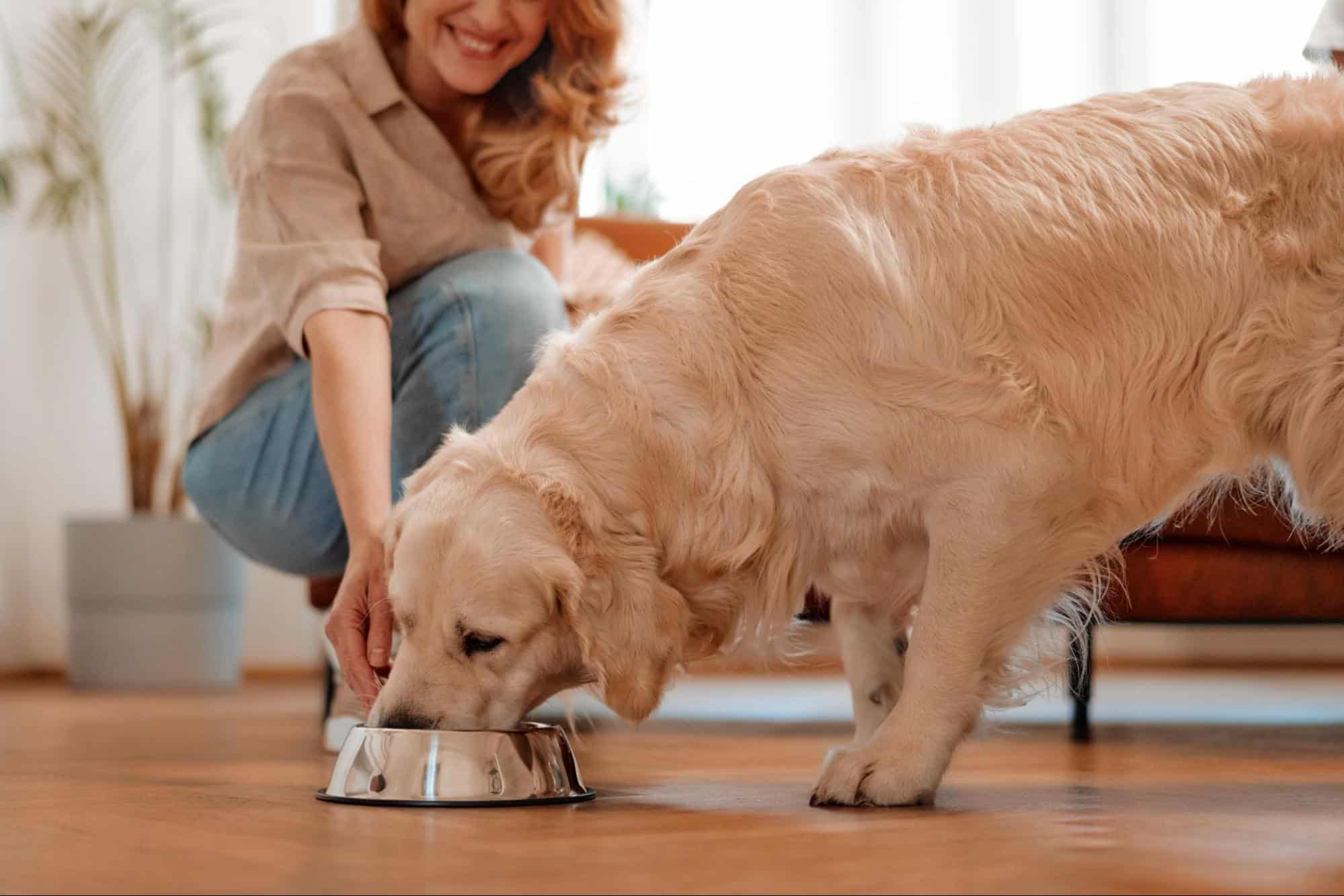
As a loving dog parent, you want the best for your furry friend, from daily playtime to nutritious meals. But did you know that different breeds and ages require specific diets to thrive? That’s right! A one-size-fits-all approach to dog nutrition just doesn’t cut it. Whether you have a sprightly puppy, an active adult, or a wise senior, we’re diving into everything you need to know about feeding your dog right.
And hey, if you need professional help, Ruffgers has you covered with expert dog training in Naples, Florida, dog boarding, and dog daycare services!
1. Why Breed-Specific Nutrition Matters
Just like humans, dogs have different metabolic rates, body structures, and energy needs. A tiny Chihuahua has a very different dietary requirement than a muscular Labrador Retriever. Here’s why:
- Small Breeds (e.g., Yorkies, Chihuahuas, Pomeranians): These little ones have high metabolisms and need calorie-dense food. Their tiny teeth also mean kibble size matters!
- Large Breeds (e.g., Great Danes, German Shepherds, Labradors): They require diets rich in joint-supporting nutrients like glucosamine and controlled calorie intake to prevent obesity.
- Working & Sporting Breeds (e.g., Huskies, Border Collies, Australian Shepherds): These energetic pups need high-protein, high-fat diets to sustain their active lifestyle.
Not sure what your pup needs? Experts at Ruffgers can help you understand your dog’s body language and behavior to spot signs of nutritional deficiencies.
2. The Right Diet for Every Age
A puppy’s diet isn’t the same as a senior dog’s. Here’s how to adjust your dog’s nutrition throughout their life stages:
Puppies (0-12 months)
- Need high-protein and fat-rich diets to support growth.
- Calcium and phosphorus for strong bones.
- Small, frequent meals to support fast metabolism.
Adult Dogs (1-7 years)
- Balanced meals with quality protein and moderate fats.
- Adjust portions based on activity level.
- Watch for allergies and digestive sensitivities.
Senior Dogs (7+ years)
- Lower calories to prevent obesity.
- Added omega-3s for joint health.
- Easily digestible food to support a slower metabolism.
3. Reading Dog Food Labels Like a Pro
You wouldn’t blindly buy your food without checking the ingredients, so why do it for your pup? Look for:
- Real protein sources (chicken, beef, salmon, turkey).
- No artificial fillers or by-products.
- Whole grains or grain-free based on your dog’s needs.
- Essential vitamins, minerals, and omega fatty acids.
Pro Tip: If you’re unsure which diet best suits your pup, consult Ruffgers, where they specialize in dog training and behavior, ensuring your dog gets the right balance of nutrition and mental stimulation!
4. Common Dog Diet Myths Debunked
There’s a lot of misinformation floating around about dog nutrition. Let’s set the record straight:
| Myth | Fact |
|---|---|
Dogs should only eat meat. |
While protein is crucial, dogs need fiber, vitamins, and minerals too. |
| Table scraps are harmless. | Many human foods (onions, garlic, chocolate) are toxic to dogs! |
| Grain-free is always better. | Some dogs benefit from grains, especially for digestion and heart health. |
5. Signs Your Dog’s Diet Needs an Upgrade
Is your pup’s diet working for them? Here are some telltale signs that something’s off:
- Dull Coat & Itchy Skin: Could indicate food allergies or lack of omega-3s.
- Low Energy Levels: Might mean not enough protein or an imbalance in nutrients.
- Digestive Issues (Diarrhea, Vomiting, Gas): A sign their food isn’t sitting well with them.
If you notice these signs, consider a diet change, or book a dog training session in Naples, Florida with Ruffgers to get expert advice on behavior and nutrition.
6. Feeding Tips for a Happy, Healthy Dog
Here’s how to keep mealtime enjoyable and stress-free:
- Stick to a Routine: Dogs thrive on consistency, feed them at the same time each day.
- Use Slow-Feeders: If your dog eats too fast, a slow-feeder bowl can prevent choking and bloating.
- Hydration is Key: Always provide fresh water, especially for active breeds.
- Monitor Treats: Keep treats to 10% of their daily caloric intake to avoid weight gain.
7. Understanding Your Dog’s Body Language Around Food
Ever noticed your dog’s tail wagging while eating or them guarding their bowl? These behaviors tell a story:
Excited Eating: Tail wagging, happy jumps, your pup loves mealtime! Food Guarding: Growling or stiff posture? They might feel anxious about their food being taken away. Disinterest in Food: If they’re sniffing but not eating, they may dislike their food or feel unwell.
Need help with your pup’s food aggression or picky eating? Ruffgers offers dog daycare in Naples, Florida, where trainers can help modify unwanted behaviors while socializing your furry friend!
Final Woof: A Healthy Diet = A Happy Dog
Good nutrition isn’t just about what’s in the bowl, it’s about your dog’s overall well-being. Whether you have a growing puppy, a high-energy adult, or a senior dog needing extra care, ensuring the right diet can add years to their life.
And if you’re looking for dog boarding Naples, dog daycare near me, or expert training, check out Ruffgers. Their experienced team will help your dog stay happy, healthy, and well-behaved!
So, what’s on your dog’s menu today? Let us know in the comments below!