
Study Sessions at Home
Why 5 Minutes of Training is Better Than an Hour
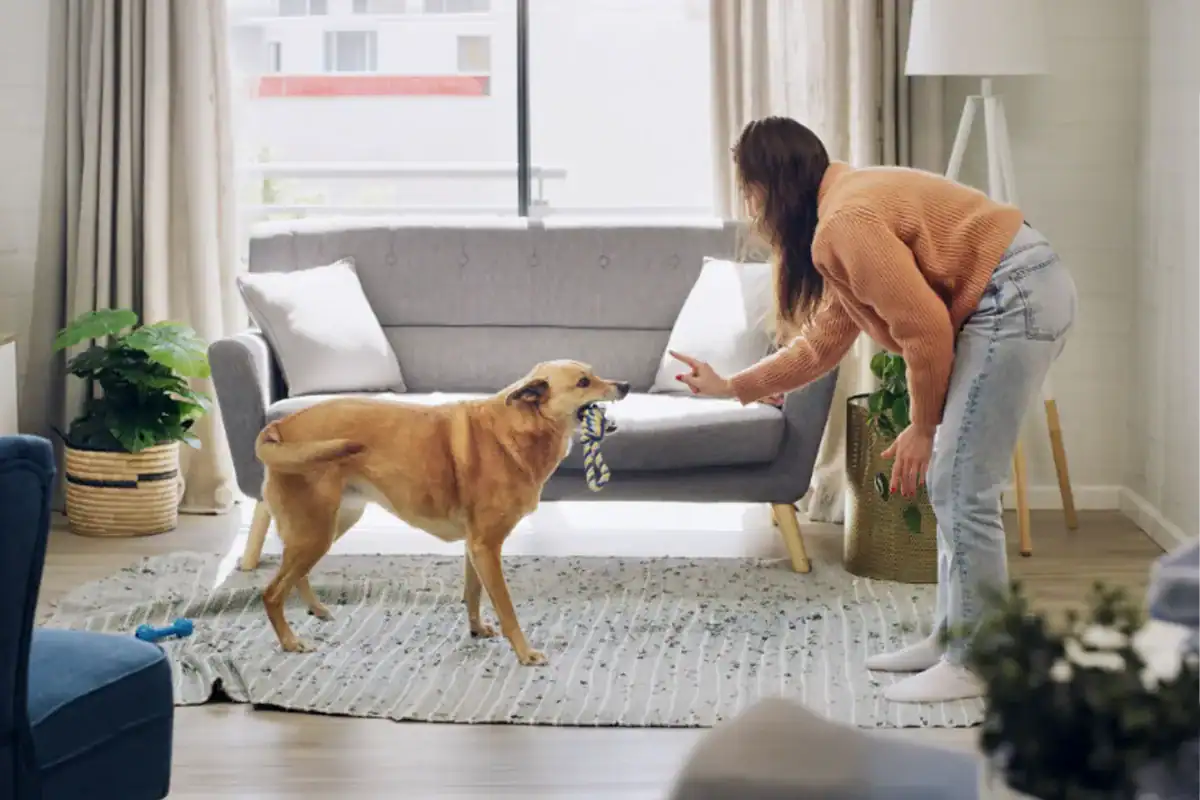
If you’ve ever felt a pang of guilt scrolling past a video of someone’s perfectly obedient dog while your own pup is still learning to sit on command, take a breath, you’re not behind.
Quick answer: Dogs learn better through short, frequent “micro-sessions” than long, draining training marathons. 5 focused minutes woven into your daily routine, before meals, at the door, on walks, builds real, lasting discipline, and it’s far more sustainable for busy pet owners than trying to carve out an hour you don’t have.
You're Not Failing Your Dog, You're Just Busy
Between work, errands, family, and the general chaos of daily life, the idea of a dedicated hour-long training session can feel impossible. So it doesn’t happen. And then the guilt creeps in: Am I setting my dog up to fail? Am I a bad pet parent?
Here’s the reassurance you need: you are not failing your dog. In fact, the “more time equals better training” myth is exactly that, a myth. Dogs don’t need marathon sessions to learn. They need consistency, repetition, and moments woven naturally into the day. That’s it. If you’ve got 5 minutes before dinner, you’ve got everything you need to make real progress.
The Science: Why Short Sessions Actually Work Better
Dogs, especially puppies, have naturally short attention spans. Just like a toddler can’t sit through a two-hour lecture, most dogs start to mentally “check out” after just a few minutes of focused work. Pushing past that window doesn’t create a smarter, more obedient dog, it creates a frustrated, fatigued one.
When a training session drags on too long, a few things start working against you:
- Mental fatigue sets in, and your dog starts making more mistakes, not fewer.
- Frustration builds on both ends of the leash, which can create negative associations with training itself.
- Positive reinforcement loses its punch when it’s spread thin over dozens of repetitions instead of concentrated into a few sharp, successful reps.
Short sessions, on the other hand, keep your dog engaged from start to finish. Every repetition ends on a high note, a treat, a “good boy,” a release, which reinforces the behavior while your dog is still mentally present. Do that consistently, a few times a day, and those tiny wins stack into genuine, lasting habits.
Myth vs. Reality: You Don't Need an Hour a Day
The myth: Real training requires long, structured sessions, the kind you see in movies, with a trainer and a dog working for an hour straight in a park.
The reality: Consistency beats duration, every single time. A dog who practices “sit” for 30 seconds, 5 times a day, every day, will almost always outlearn a dog who practices for a full hour once a week. Training isn’t about how much time you block off on your calendar, it’s about how often your dog gets the chance to practice a behavior and get it right.
This is genuinely good news for time-strapped owners. You don’t need a training schedule. You need a handful of natural pauses in your day that you’re probably already having, you just haven’t turned them into teaching moments yet.
5 Micro-Sessions You Can Fit Into Your Day (No Extra Time Required)
The beauty of micro-sessions is that they piggyback on things you’re already doing. No new time commitment, just a small shift in how you use the moments you already have.
- Before mealtime: Ask for a “sit” before you set down the food bowl. It’s a built-in, twice-daily opportunity for impulse control practice.
- Before opening the front door: Practice “stay” every time you’re about to head out or let someone in. This is one of the most useful real-world commands you can build.
- During walks: Use “leave it” whenever your dog notices something distracting, another dog, a dropped snack, an interesting smell. Walks are full of built-in practice opportunities.
- While cooking dinner: Send your dog to “place” and reward them for settling nearby while you work. It teaches calm, independent behavior in a high-distraction environment (your kitchen).
- During commercial breaks or downtime: Run through a quick round of “down,” “sit,” and “stay” while you’re already sitting on the couch. Thirty seconds, three cues, done.
Notice the pattern: none of these require you to set aside extra time. They just ask you to notice the pauses that already exist in your day and use them intentionally.
Why Professional Guidance Still Matters
Micro-sessions are powerful, but they work best when you’re reinforcing the right skills the right way. A few minutes of practice built on a shaky foundation can accidentally reinforce bad habits just as easily as good ones, timing, consistency, and technique still matter, even in short bursts.
That’s where structured training support comes in. A program that combines dog daycare and training gives your dog the benefit of both: professional instruction to build correct foundational skills, plus real-world practice in a lively, social environment. Reinforcing obedience in dog daycare settings means your dog isn’t just learning “sit” and “stay” in a quiet living room, they’re practicing those same cues around other dogs, new people, and everyday distractions, which is exactly the kind of real-world proofing that makes training stick.
For owners who feel unsure whether they’re teaching the right technique, or who simply want their dog getting structured practice during the day while they’re at work, a program like this fills the gap that at-home micro-sessions alone can’t always cover.
How Ruffgers Can Help
At Ruffgers in Naples, FL, we understand that busy pet owners need training that fits real life, not the other way around. Our approach blends professional obedience instruction with the social, high-energy environment of daycare, so your dog gets consistent reinforcement even on the days when your own 5 minutes are hard to find.
Whether you’re weighing dog daycare vs. boarding, looking into puppy daycare programs, or simply wondering whether dog daycare is worth it for your schedule, our team can help you find the right fit. And if you’re specifically searching for dog training Naples FL or dog daycare Naples options with strong daycare safety standards, we’d love to show you around.
Quick Answers About At-Home Training
-
How long should I train my dog each day?
There's no magic number, but many trainers recommend several short sessions of 3–5 minutes spread throughout the day rather than one long session. This matches your dog's natural attention span and keeps training positive and effective.
-
Is 5 minutes really enough to train my dog?
Yes, when those 5 minutes are focused, consistent, and repeated daily. Short, frequent practice builds stronger habits than occasional long sessions because your dog stays engaged and successful throughout.
-
Can daycare help reinforce training?
Absolutely. Structured dog daycare and training programs give your dog the chance to practice obedience cues around real-world distractions like other dogs and new environments, which helps behaviors generalize beyond your living room.
What's the best time of day to practice with my dog?
Anytime you already have a natural pause works well, before meals, before walks, or before opening doors. The goal is to attach training to routines you already follow, not to create a new time slot in your day.